México City indigenous civilizations – Aztec-hnically not – (México City and Me supplement three)
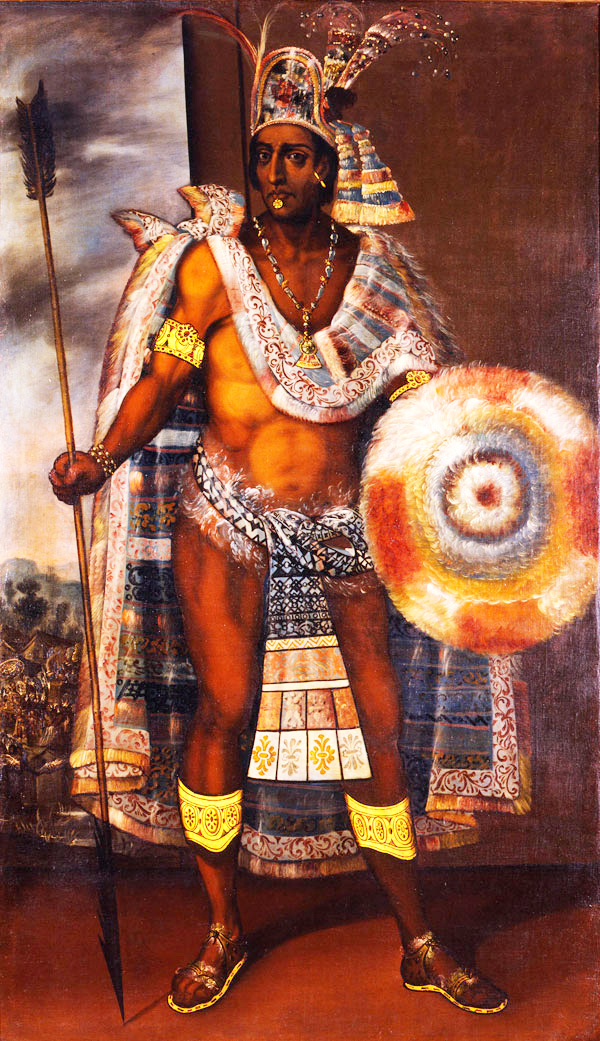
My elementary American education included passing mentions of very few things Mexican. There was something about the Aztecs and how they were different from the Maya, something about the Aztec emperor Montezuma (Moctezuma II),
[From Wikipedia – Public Domain]
the conquest by Hernán Cortés (presented as Hernando Cortez),
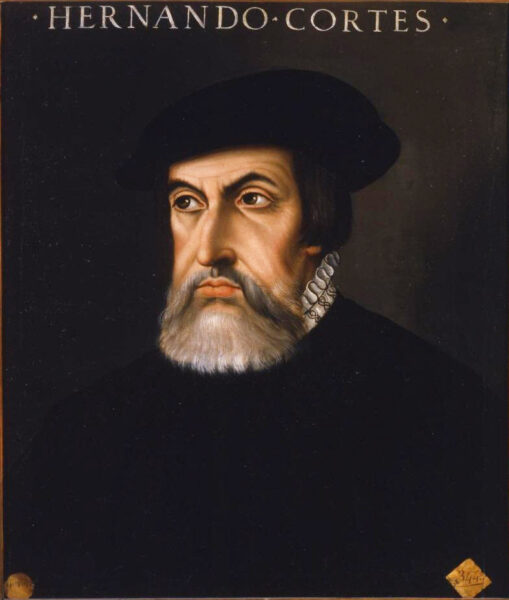
[From Wikipedia – Public Domain]
and General Santa Anna because we always had to “Remember the Alamo.”
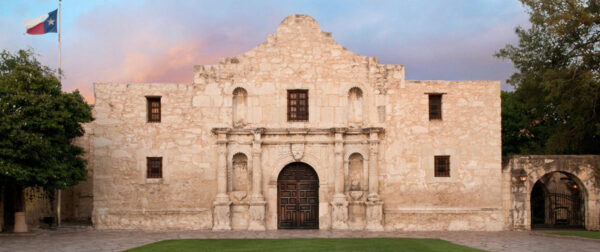
[From Visit San Antonio]
But, as I hope you’ve seen, there’s much more to discover about this place and its people so let’s dig a little deeper.
Condensing history
In the “Welcome to” post, I wrote, “Although the blog contains an educational component, it is not intended to be an authoritative or comprehensive text…” Thus, I’m going to barrel through several centuries of VM history between the fall of Teotihuacán and the settlement of Tenochtitlán by the Mexica in a few paragraphs. Reaching Tenochtitlán is important because when one stands in Ciudad de México, one is standing in and on top of Tenochtitlán.
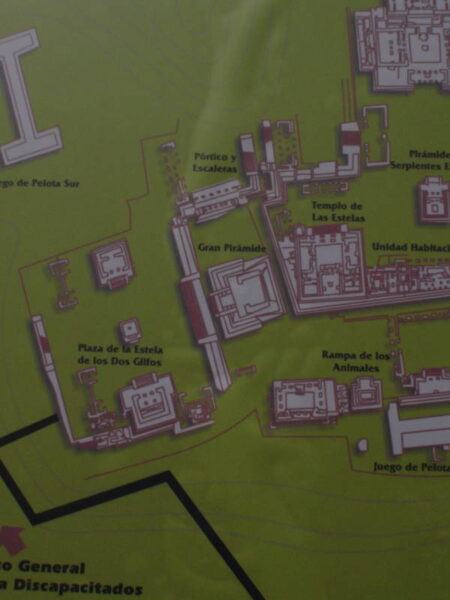
The previous post ended with the fall of Teotihuacán circa 750 and this marks the beginning, more or less, of the Terminal Classic period. For the next several centuries, the Valley of México had no real dominant power. Instead, it saw a southerly shift to a series of regional centers such as Xochicalco
[From Wikimedia Commons – By Diego Tirira from Quito, Ecuador, CC BY-SA 2.0.]
.jpg)
and other sites in what is today the state of Morelos. This shift fragmented the political, ceremonial, and trading spheres of influence.
While these groups competed in the south and central area of the VM, a different group was rising in the north. Possibly descended from nomadic Chichimec groups, they would migrate southward and establish a city often called Tollan or Tula Grande in ancient documents. Today, it’s the city of Tula in the state of Hidalgo. These people became known as the Toltec. (There was another nearby precursor community called Tula Chico that was a consolidation of Coyotlatelco villages but that was abandoned and burned after thriving through the eighth and ninth centuries.)
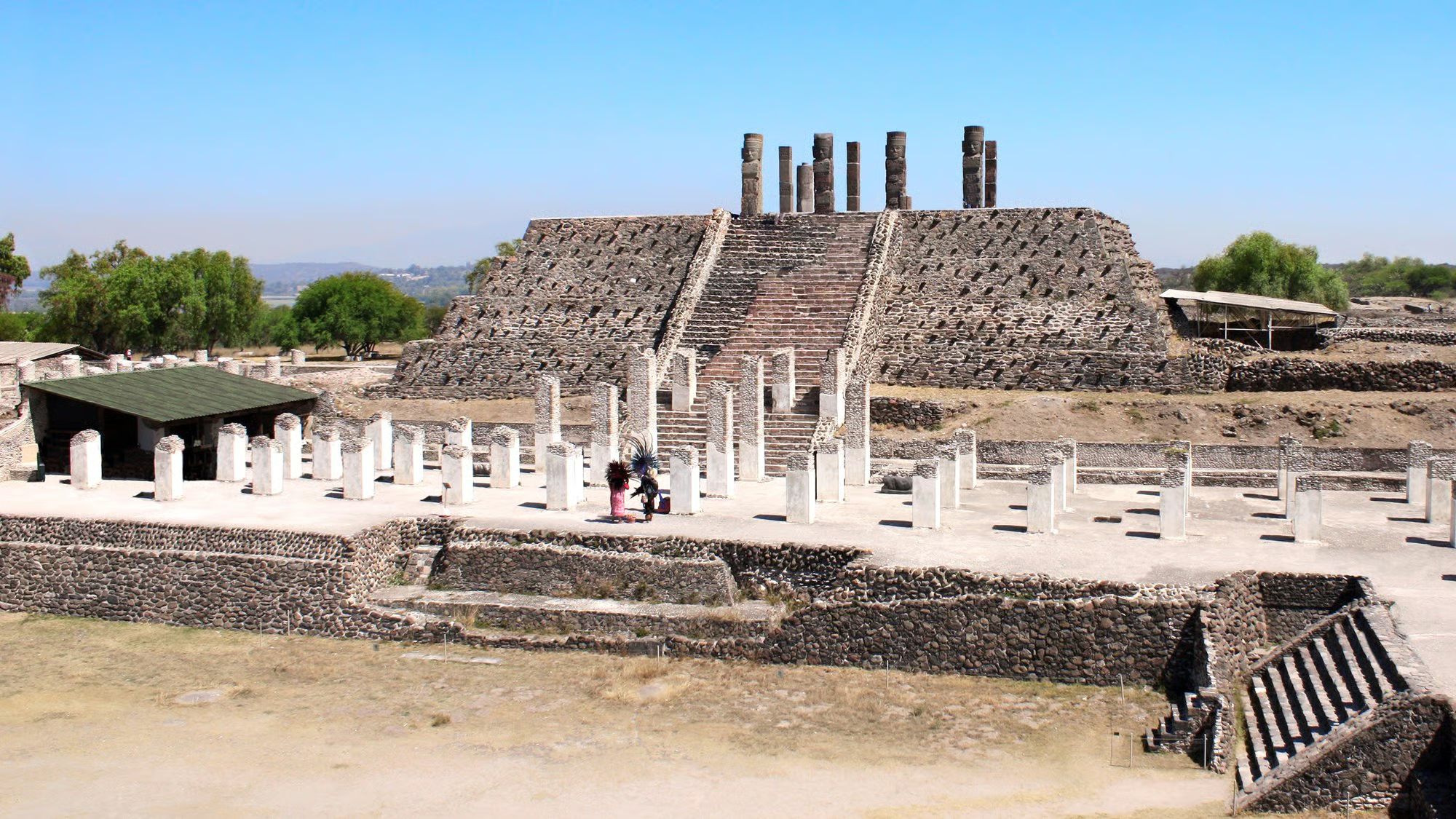
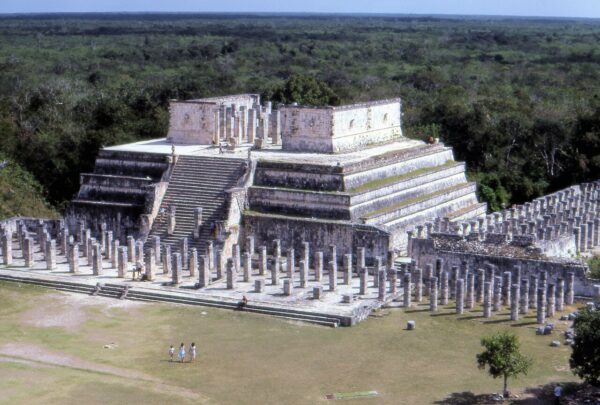
By the tenth century, the influence of the Toltec Empire could be seen throughout much of central México stretching from Tula Grande in the northern Valley of México to Chichén Itzá on the Yucatan Peninsula nearly 1600km distant. One can see this by comparing the two photos below. The first is from Tula Grande. Below it is Chichén Itzá.
[From Archaeology Travel]
[From Wikipedia and Flickr CC By 2.0]
The rows of warrior columns (Atlantean figures) are distinctly Toltec and are outside Mayan tradition. Other elements present at the Mayan citadel such as Chac Mool altars used for offerings and feathered serpent carvings – representing Kukulkan (the Maya equivalent of Toltec Quetzalcoatl) – appear prominently on El Castillo (Pyramid of Kukulkan) and other buildings showing a blend of Toltec militaristic motifs with Maya astronomy.
However, like Teotihuacán, Tula had a limited shelf life. Civil wars from 1046 to 1110 CE weakened the state and northern invasions by Huastecs and others shortly thereafter contributed to Toltec decline. By the mid-twelfth century, the internal strife and concurrent invasions had effectively destroyed Tula. Some number of the survivors fled south and settled along the shores of Lake Texcoco.
Aztec-hnically. Maybe.
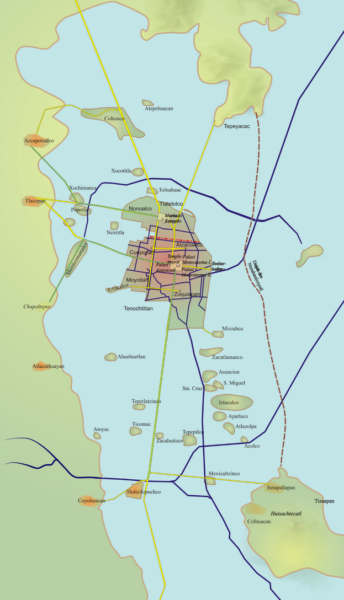
Thus far, we’ve followed several small groups of people of varying ethnicities to the shores of Lake Texcoco. In 1325, some would establish a city on unclaimed marshland near the western shore of the lake after, according to legend, they saw an eagle perched on a cactus devouring a snake. This fulfilled a prophecy from their god Huitzilopochtli. Over time, they expanded this island using chinampas – artificial islands made from woven mats and mud, – connected the city to the mainland by constructing causeways, and established other cities such as Tlatelolco. They called their city Tenochtitlán.
[From Wikimedia Commons by HJPD, CC BY-SA 3.0.]
These were the Mexica people and it’s likely they wouldn’t have identified themselves by the name commonly used today. That name is Aztec. So how did this come to be? As with most things human, it’s a complex story and it begins in a legendary land called Aztlán.
You might be familiar with the way linguists group language families. These can be narrow – think Romance languages – or broad – think Indo-European. One major language group of pre-Columbian Mesoamerica is Náhuatl and its speakers were Nahua. At least seven tribes of Nahua – Acolhua, Chalca, Mexica, Tepaneca, Tlahuica, Tlaxcalteca, and Xochimilca – place their origins in Aztlán. In 1428, three of these tribes – the Mexica who had established Tenochtitlán, the Acolhua who founded Texcoco, and were led by their tlatoani, Nezahualcoytl
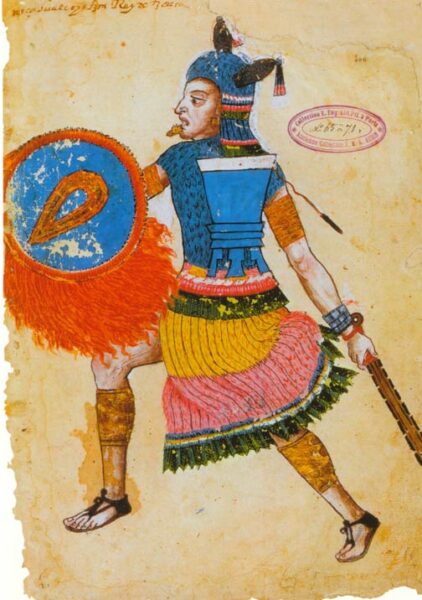
[Public Domain]
and the Tepaneca from their settlement at Tlacopan
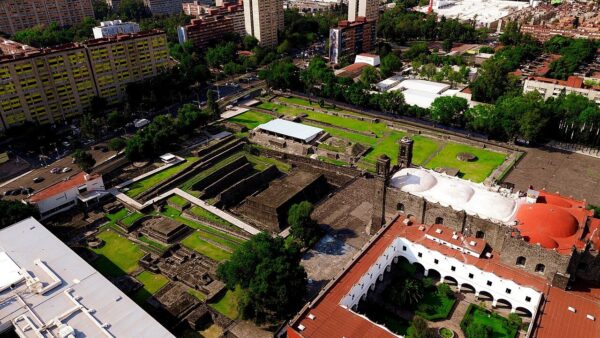
[From Wikimedia Commons copyright by ProtoplasmaKid, CC BY-SA 4.0.]
– created the Triple Alliance. This encompasses what most of us mean by Aztec.
All the post-Columbian evidence shows that the Tenochas (residents of Tenochtitlán) referred to themselves as Mexicas. In his 1959 book Visión de los vencidos, Mexican anthropologist Miguel Leon-Portilla translated indigenous accounts of the Spanish Conquest and found no instances of the Tenochas calling themselves anything other than Mexicanos. From 1555 to 1571, a Franciscan monk, Alonso de Molina, compiled the first Nahuatl-Spanish dictionary – Vocabulario en Lengua Castellana y Mexicana. It had no mention of the word Aztec but did use Mexicana to describe the language. Since de Molina’s work came decades after the Spanish conquest, it’s possible that the other tribes in the Triple Alliance had also come to view themselves as Mexicas.
Then whence Aztec?
Perhaps the earliest written mention of Aztec can be found in the 1598 Crónica Mexicayotl co-written by a Mestizo Noble – Fernando Alvarado Tezozomoc – and an Indigenous scholar of Chalco ancestry called Chimalpahin. This chronicle describes the Tenochas migration from their place of origin Aztlán and reports that they were once called Aztec. At least one story relates that Huitzilopochtli told the Mexica to rename themselves from Aztec to Mexica, leave and migrate south.
In 1799, Alexander Von Humboldt embarked on a five-year exploration of the Americas. He published Views of the Cordilleras and Monuments of the Indigenous Peoples of the Americas in 1810 and become the first non-Mexican or non-Spanish scholar to write about the people of México. It’s here that the word Aztec first appears outside of México. (Jesuit scholar Francisco Javier Clavijero Echegaray used Azteca and Mexican interchangeably in his 1780 book Historia Antigua de México. It’s likely Von Humboldt knew this work.)
In 1843 William H Prescott released what is believed to be the first such history written by an American – The History of the Conquest of México. Prescott never mentions the word Mexica. Rather, he uses Aztec and Mexicans interchangeably. He doesn’t include other cultures (Acolhuas, Tepanecas, and Tlaxcalteca) as Aztecs.
As Prescott’s work grew popular (especially for the English-speaking audience) and, there was no clarification concerning the source of the name, readers naturally associated the word Aztec with the founders of Tenochtitlán and Mexica was forgotten.
This was the Triple Alliance territory.
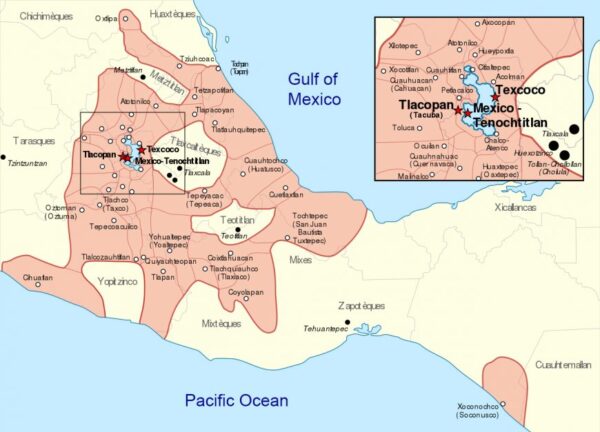
[From Wikimedia By Yavidaxiu CC BY-SA 3.0.]
Moctezuma II
Moctezuma II became the tlatoani of Tenochtitlán at the beginning of the 16th-century. Under his leadership, the Triple Alliance expanded to its greatest size and also began its downfall when the Spanish arrived in 1520. Depending on your usage, one might say that Moctezuma II was, in fact, not Mexica but Aztec. By his time, the ruling class, similar to the manner of European royalty, was like a caste that married among the nobility of other cities and he wouldn’t have been purely or even mainly Mexica.
Other contrasts were manifest under his rule. In the early 16th-century, Tenochtitlán’s population was between 100,000 and 250,000. Supporting a city this large built on a marshy lake island required great ingenuity. Floating gardens called chinampas provided maize, squash, and beans and large aqueducts brought fresh water to the city. As tlatoani, he would have overseen the construction of these sophisticated engineering projects.
But all was not smooth within the empire. Tenochtitlán was the dominant city of the Triple Alliance and demanded tributes. Lesser city-states paid heavily in goods, labor, and people for sacrifice. Cities like Cempoala and others near the Gulf coast quickly allied with Cortés against Tenochtitlan.
Tlaxcala, possibly feeling inadequately supported by Tenochtitlán in their resistance to the Spanish forces, also eventually allied themselves with Cortés who then laid siege to Tenochtitlán
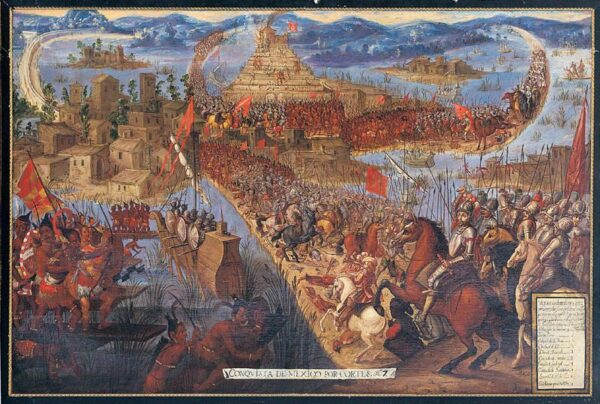
[From World History Encyclopedia]
and cut off its water supply. Moctezuma and his successor and brother Cuitláhuac had both died in 1520 and were succeeded by the true final Aztec emperor, Cuauhtémoc.
With no water and a similar lack of immunity to European diseases that had decimated other indigenous populations, the latter’s brief reign came to a predictable end.
A final thought
An estimated 1,300,000 people in México still speak Nahuatl. Even English has derived a handful of commonly used words – chocolate, chipotle, coyote, tomato, and avocado – from this indigenous language. So should you ever journey to México and meet a Nahuatl speaker, you now have some context to understand they are descendants of a people with a rich and diverse cultural history.
-

Photos and their stories – Lisbon – Summer 2026 part two – plus an egg-straordinary bonus
August 21, 2026 -
Photos and their stories – Lisbon – Summer 2026 – part one
August 21, 2026 -
The indigenous people of Da?ow?aga? (Olympic Valley and me supplement three)
August 19, 2026 -
The indigenous people of Da?ow?aga? (Olympic Valley and me Supplement two)
August 17, 2026 -
Olympic Valley in the time before humans (Olympic Valley and Me Supplement one)
August 14, 2026