On an island in the sun
On the time line covered by this journal, I landed in Honolulu and, rather quickly, connected to a flight to Lihue on Kauai. This required a significant temporal realignment. First, I’d re-crossed the International Date Line, thereby regaining the time I’d wondered if I’d lost in the post No wizard or yellow brick road but I’m off to OZ. You see, when the plane landed in Honolulu, the day began partially repeating itself because my clock indicated that it was seven hours earlier than the time I’d left Sydney. Relating to mainland U S time also needed an adjustment. While in Sydney, my friends in the Washington DC area were 14 hours behind the time I was experiencing. Once I reached Hawaii, they were five hours ahead.
All the things that come to you
Of course, each of the islands (like everywhere on Earth) has its distinct aspects but by starting my stay on Kauai, I chose not only the chain’s oldest island but also the island some call unconquered.
Until Kamehameha began his military campaign to unite the islands in 1793, each of the main islands – Hawaii, Oahu, Maui, Kauai, and Molokai – had its own king or ali’i nui and by 1795, culminating in the decisive Battle of Nu’uanu on Oahu, Kamehameha had consolidated his control of all the islands save Kauai.
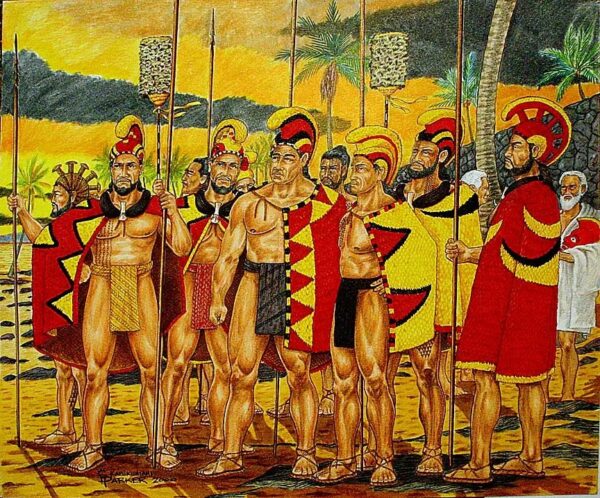
[From Adam Keawe Manalo-Camp]
Kamehameha I launched his first invasion of Kauai in 1796, departing from Waianae, Oahu. Attempting to cross more than 80 miles of open ocean, his fleet fought violent storms and rough seas. He lost so many war canoes that he gave up on the planned invasion and returned to Oahu.
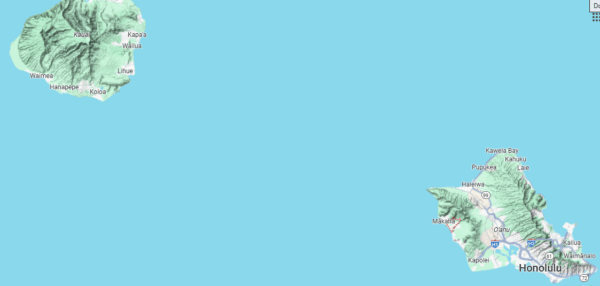
He spent nearly a decade building up his forces, canoes, and weaponry while planning a second invasion. In 1804, shortly before the planned launch, an epidemic thought to be cholera or bubonic plague killed so many in his army and sickened Kamehameha himself, that he once again abandoned his invasion plans.
Putting the two failed attempts behind him, Kamehameha decided that he might accomplish his goal of unifying the islands through negotiation rather than military confrontation. This succeeded and, in 1810, King Kaumualii of Kauai agreed to become a vassal under Kamehameha, thereby uniting the islands while preserving his own rule until his death. Thus, to this day, Kauai proclaims itself the “unconquered island.”
As we drift into the zone
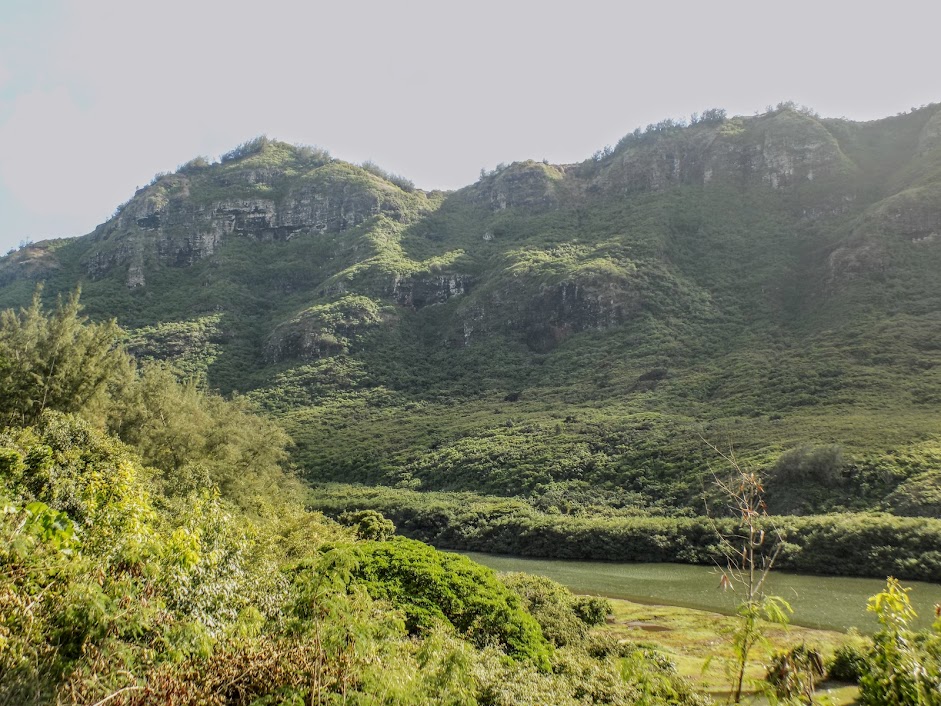
The second distinct trait to which i referred above is that Kauai is also called “The Garden Isle” and it doesn’t take long after landing there to learn why. If you read the previous post, you saw one of the two photos I took on my brief six mile drive from Lihue Airport to the Kauai Inn where I’ll spend the coming three nights. Here’s the other.
And from the hotel, I could look at a scene like this (though not on the day of my arrival).
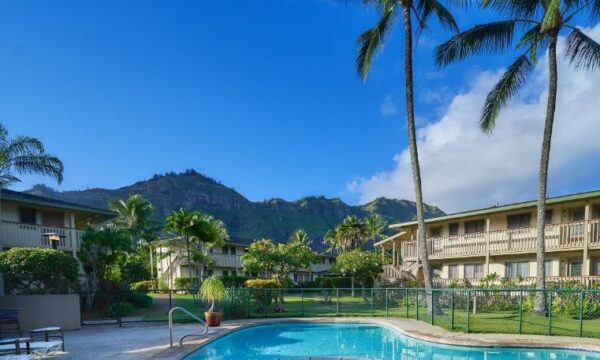
One piece of information from the previous post might allow you to intuit the reason Kauai is called the Garden Isle. Certainly, the other three islands I’ll visit on this stay have areas of remarkable natural beauty that could qualify them for that description. What you need to recall is that Kauai is the oldest of the habitable Hawaiian Islands. It’s had more time to develop exceptionally high levels of biodiversity and endemism. The rich array of unique plants and animals make it home to many ecosystems that are more diverse than those found on the other Hawaiian Islands.
However, age has its disadvantages, too. Studies indicate that the overall species diversity on Kauai and the other older Hawaiian Islands has been in long-term evolutionary decline. As the Pacific Plate continues its relentless move to the northwest, it carries the older islands farther from their hotspot volcanic source making erosion the dominant actor rather than accretion. As any island erodes it loses landmass and as it loses landmass it undergoes a gradual loss of species, particularly birds, insects, and plants. In fact, the Big Island of Hawaii is the only island where species diversity isn’t in decline.
(Before I write about my first night at the Kauai Inn, I’ll make an admission that some of my friends and acquaintances have heard. While I think this blog shows that I have a wide diversity of interests, biology isn’t among them. And it was here where I think the length of this trip took something of a toll on my reaction not only to Kauai but to all of Hawaii.
I could well understand that someone traveling from December’s gray, bare-treed, mid-Atlantic would arrive on Kauai and find the change awe inspiring. I, on the other hand, arrived after having spent more than two weeks in the lush early summer greenery of Aotearoa and weeks before that in parts of Australia that included the ancient rainforest of Far Northern Queensland. Combine this with my underappreciation for botany and I found myself thinking, “This is beautiful but mostly all I’m seeing is more green stuff.” Now you can understand why I might not wax as rhapsodic about Hawaii’s beauty as others might.)
Just a place to call your own
(When I learned to pronounce Lihue)
I arrived at the Kauai Inn sometime after 15:00
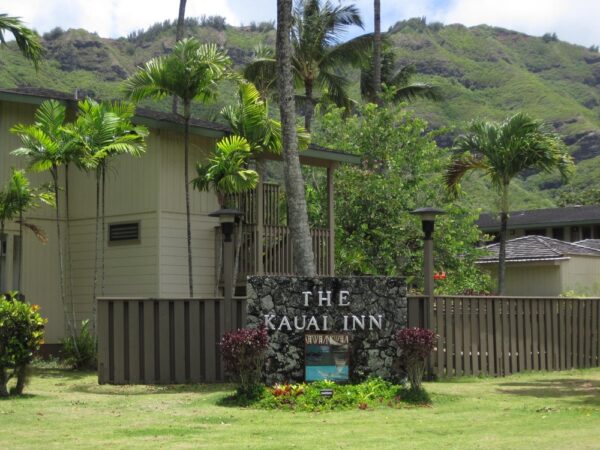
and at check-in I met Phil (the owner) and Felicity. I didn’t know how often I’d see Phil but we connected immediately because we share many similarities in our senses of humor. I suspected this might be the case when the amenities list on the hotel’s brochure included “Free Rooster Wake-up Call” and “Ear Plugs Available.”
During this conversation I learned that locals don’t pronounce the town’s name as I thought (lee-hweh) nor do they pronounce it like the text to speech feature (Lee-Hew) but rather the correct pronunciation is lih-HOO-ee. Or, perhaps le-Hooey.
I think when I left Wellington at about 16:oo on 14 December, it was perhaps 18:00 in Honolulu on the thirteenth. Thus, when I arrived at the Kauai Inn, other than a catnap or two on the flight, my body had been running for 29 or 30 hours. (We’d left the hotel for our tour of Wellington’s coast around 09:00.) I wasn’t up to do much beside making a quick run into town to see if I could book a helicopter ride to the Na Pali Coast with a company Phil recommended. (I couldn’t.) When I got back to the hotel, Phil invited me to a homemade dinner on the patio and this atheist heard the heavenly choir. (Although a little light on protein, dinner turned out to be a tasty spaghetti and mushroom dish.)
Then since it was Saturday night – one of the three nights each week when the hotel provides free live music – I had a free dinner and a show. That night’s performance was by a chap named Lenny Breeze. We shared some nice banter and he told me an interesting story about Iz Kamakawiwo’ole. Some among you might be familiar with his interpretation of Over the Rainbow. (The official video linked here has garnered more than 1,500,000 views on YouTube.) However, it actually started as a mashup with another classic from the Great American Songbook – What a Wonderful World. Iz wanted to blend the two but couldn’t recall all the lyrics so he put down a scratch version on a cheap tape recorder. When his manager heard it, he managed to clean up the recording and the rest is, as they say, history.
I managed to stay awake for a set or two but then had to retire to my room and by 21:00 was DttW (Dead to the World).
Sunday, I’d begin an exploration of Kauai – just not by helicopter.
-
Photos and their stories – Lisbon – Summer 2026 part two – plus an egg-straordinary bonus
August 21, 2026 -
Photos and their stories – Lisbon – Summer 2026 – part one
August 21, 2026 -
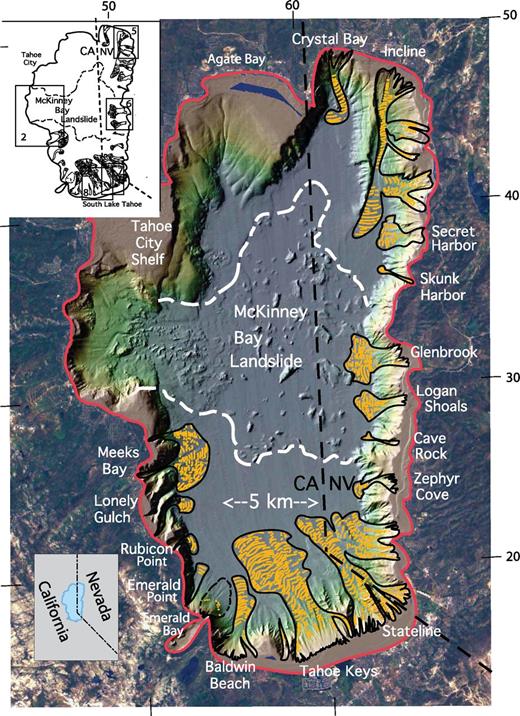
The indigenous people of Da?ow?aga? (Olympic Valley and me supplement three)
August 19, 2026 -
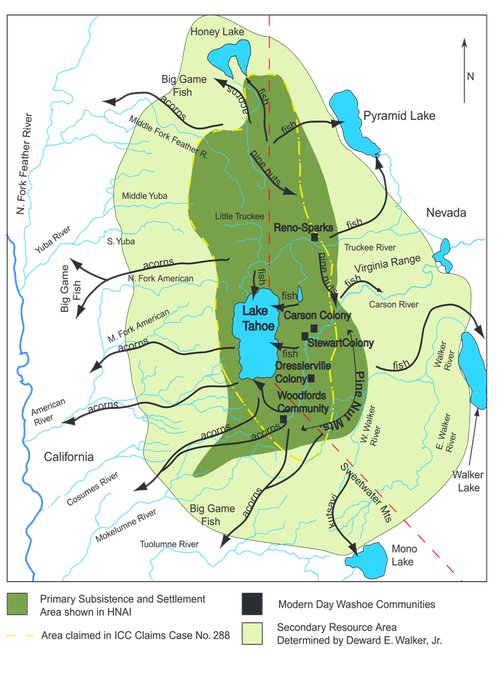
The indigenous people of Da?ow?aga? (Olympic Valley and me Supplement two)
August 17, 2026 -
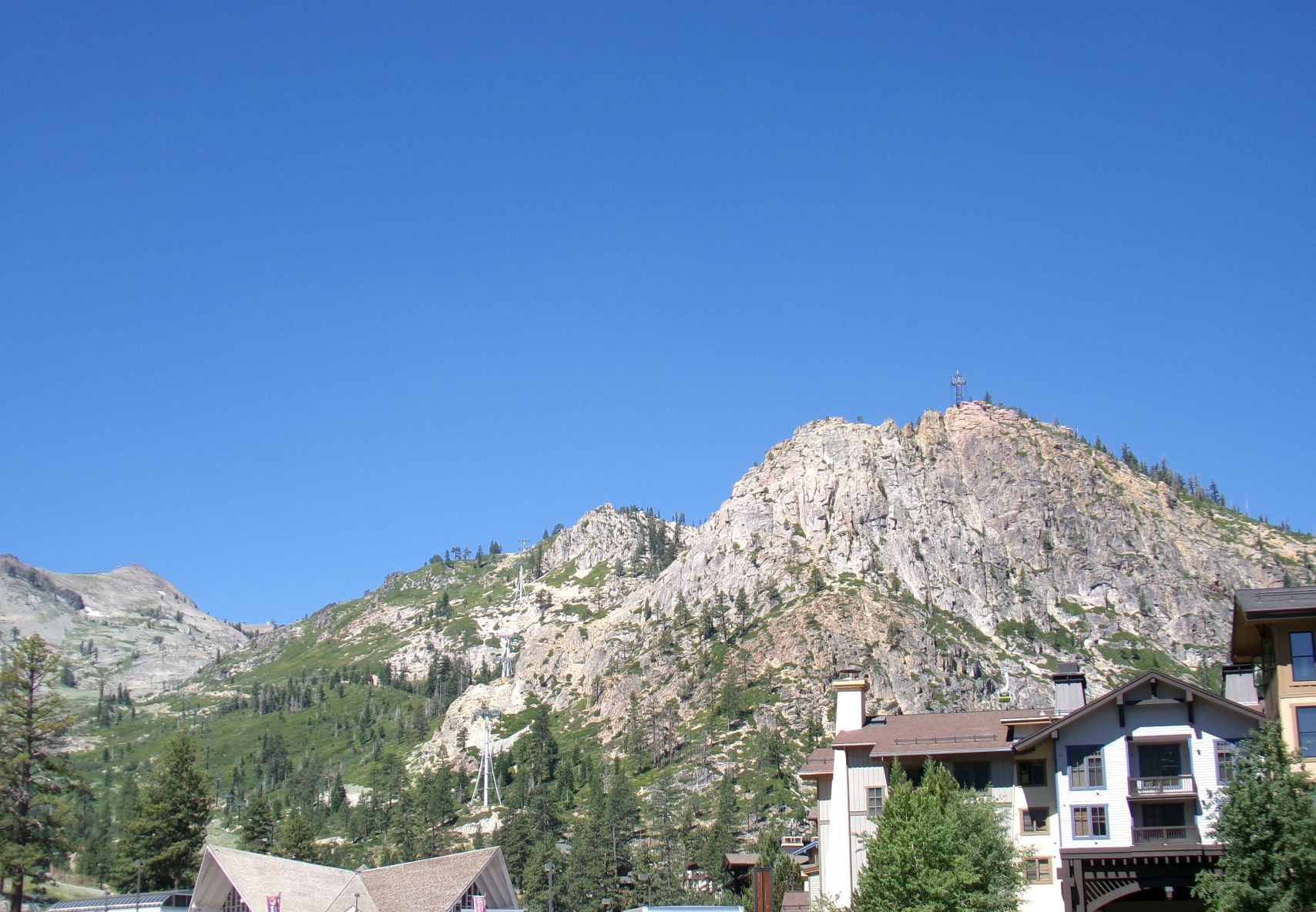
Olympic Valley in the time before humans (Olympic Valley and Me Supplement one)
August 14, 2026