I’m a-gonna raise a fuss – A too busy day starts with kiwis and ducks
First, no frozen kiwis
Those of you who read the journal about the RS trip to Australia that immediately preceded this one likely came away with the sense that, while I found the trip in some ways life changing, I was less than thrilled with its organization and often found the days too busy. That wasn’t the case for this Aotearoa trip. Until today, that is.
Up and at ’em
This was the first day on this trip that started before 08:00. We were on our bus (coach) to the National Kiwi Hatchery at 07:40 for a scheduled 08:15 tour. There’s a touch of irony in arriving at a kiwi hatchery early in the morning but after sunrise. Kiwis are nocturnal. This means we either had to disturb their natural rhythm or not see much of them. Since we were at the National Kiwi Hatchery, which do you think was more likely? Let’s learn a bit about this “most unlikely bird.”
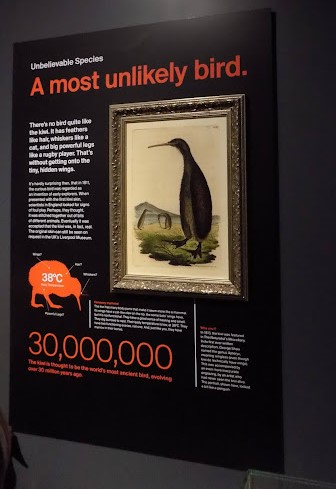
Although it’s a member of the ratite family, none of today’s existing ratites (think emu, ostrich, cassowary, rhea) are closely related to Aotearoa’s little kiwi. The bird is of a highly divergent avian lineage within the avian infraclass Palaeognathae. They are endemic to Aotearoa and are the only members of the Apterygidae family. In fact, although it diverged between 50 and 54 million years ago (MYA), the kiwi’s closest known relative is the extinct elephant bird of Madagascar.
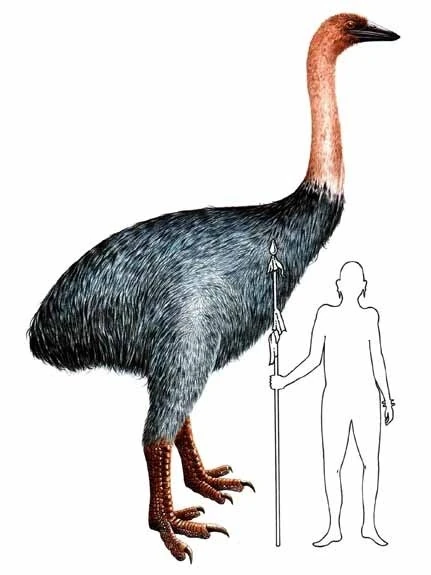
[From Cryptidz Fandom Wiki]
Most kiwis average between 45-55cm in height and weight between two and four kilograms with the females being slightly larger than the males. The elephant bird to which it is related is believed to have reached heights of three meters and to have weighed 400 kilos. Since Elephant birds are only known from Madagascar, most biologists think kiwi ancestors arrived in Aotearoa by flight rather than Gondwanan continental movement.
Over millions of years of evolution, and mainly because it had no land based mammalian predators, the kiwi, like the moa, lost the need and hence the ability to fly. It also developed one particularly unusual trait for a ratite by becoming nocturnal. This provided several survival advantages such as reducing competition with the moa, better access to its main invertebrate food sources such as worms and insects which move closer to the surface at night, and protection from airborne predators like the Haast’s eagle and goshawk. (The Haast’s eagle is also extinct but is the largest eagle known to have existed weighing in at 10-18kg.)
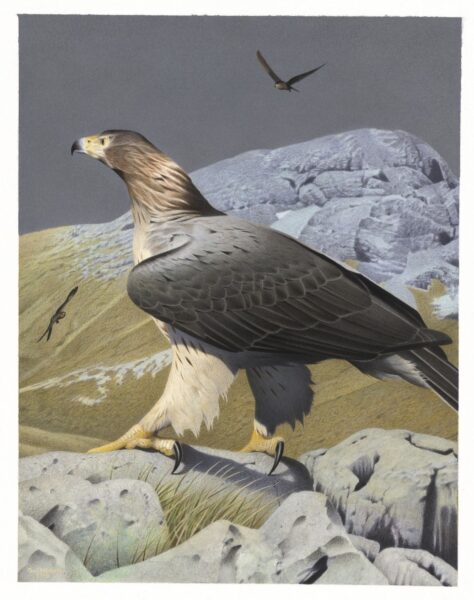
[From the series Extinct Birds of New Zealand, 2005, Masterton, by Paul Martinson Purchased 2006 Copyright Te Papa. CC BY-NC-ND 4.0. Te Papa 2006-0010-1/37]
Additionally, kiwis developed the lowest metabolic rate among birds and some populations show regressive eye evolution. As they evolved, their nostrils moved to their beak tips. This unique feature heightened their sense of smell and ability to locate food in darkness when eyesight can be less important.
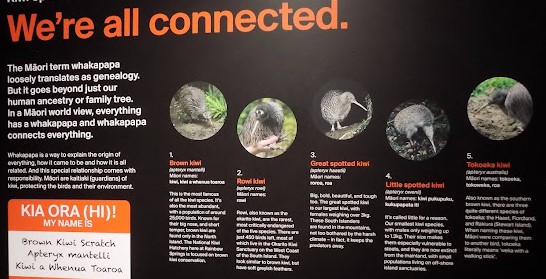
Since their arrival to Aotearoa, kiwis have diverged into five distinct species – only one of which is endemic to Te-ika-a-Māui – the North Island Brown Kiwi.
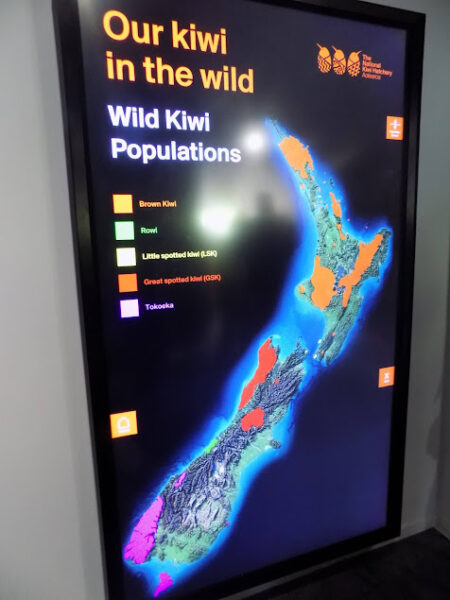
Three of the others are found on Te Waipounamu. These are the southern brown kiwi, the okarito brown kiwi (or rowi), and the great spotted kiwi or roroa. The fifth species, kiwi pukupuku or little spotted kiwi can be found only on predator-excluded reserves on offshore islands. The varied species developed after long periods of separation during Pleistocene glacial advance and retreat.
After an incubation period of around 78 days (with the male taking most of the incubating duties) kiwi chicks hatch and, as we learned from this signboard,
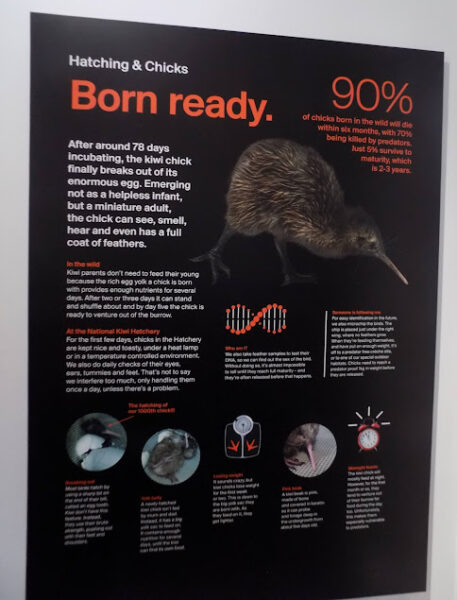
are ready to go out on their own within five days.
Ah, predators
Until Māori arrived about a thousand years ago, kiwi predation came almost exclusively from the sky and the bird had adapted well to survive under those conditions. Although Māori view the birds as descendants of Tāne-mahuta, the god of the forest, they hunt it nevertheless. They hunted the birds for their meat, skin, and feathers – the latter of which were highly valued for creating ceremonial cloaks called kahu-kiwi, reserved for chiefs and regarded as great treasures (taonga).
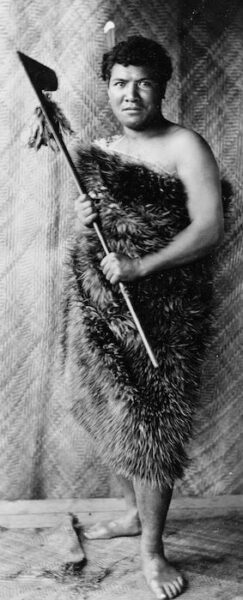
However, unlike what had happened with the moa that Māori hunted to extinction, the real threat to kiwis came with the arrival of Europeans in the eighteenth and nineteenth centuries. They were not only less concerned with habitat preservation but they introduced many non-native species such as stoats, ferrets, rats, cats, and dogs that found the flightless, ground nesting birds easy prey feasting on kiwi eggs, chicks, and even adult birds.
And so we come to the need for the National Kiwi Hatchery (and other hatcheries around the country). Of the five species of kiwi, only the northern brown isn’t considered threatened. It is, however, conservation dependent. Although we were able to see a day old bird being cared for in the hatchery, and could walk through a darkened enclosure, this signboard likely presented our closest look at this symbol of Aotearoa.
A short flight to Waitaha – A little time to kill
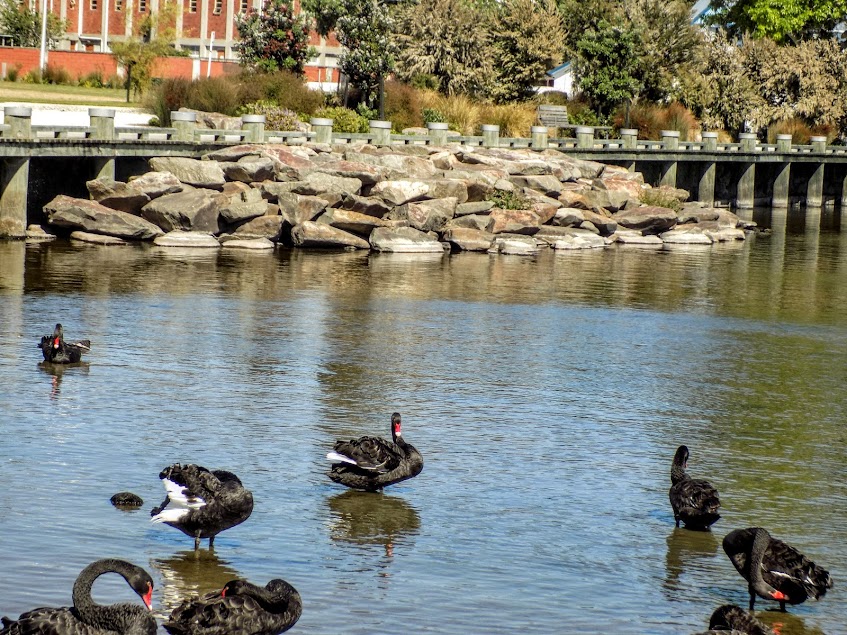
We had a little time between the end of our tour at Kiwi Hatchery and our two hour flight to Christchurch (in the Waitaha region) so we made a brief stop at Lake Rotorua where I (we all) spotted some black swans
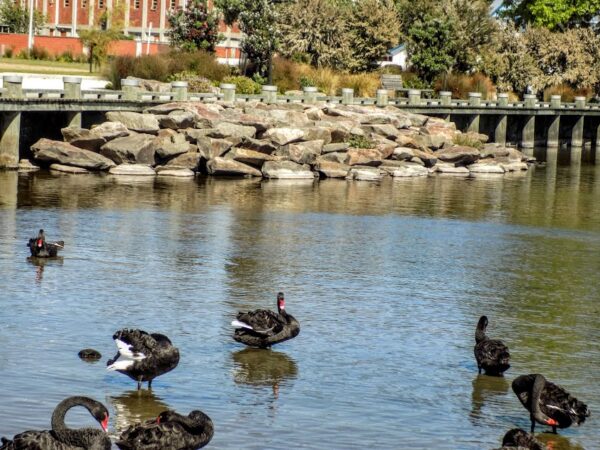
and the interesting
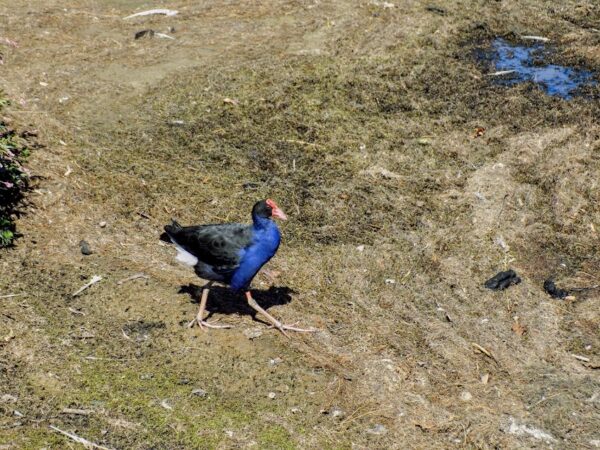
Pūkeko – also called the Purple Swamphen. Considered a game bird, it’s both admired and disliked in Aotearoa. Some view them as interesting both for their appearance and brash behavior while others see the omnivorous birds as pests because of their impact on crops.
This is a three post day. You’ll find a link to the photos at the end of the third post.
-
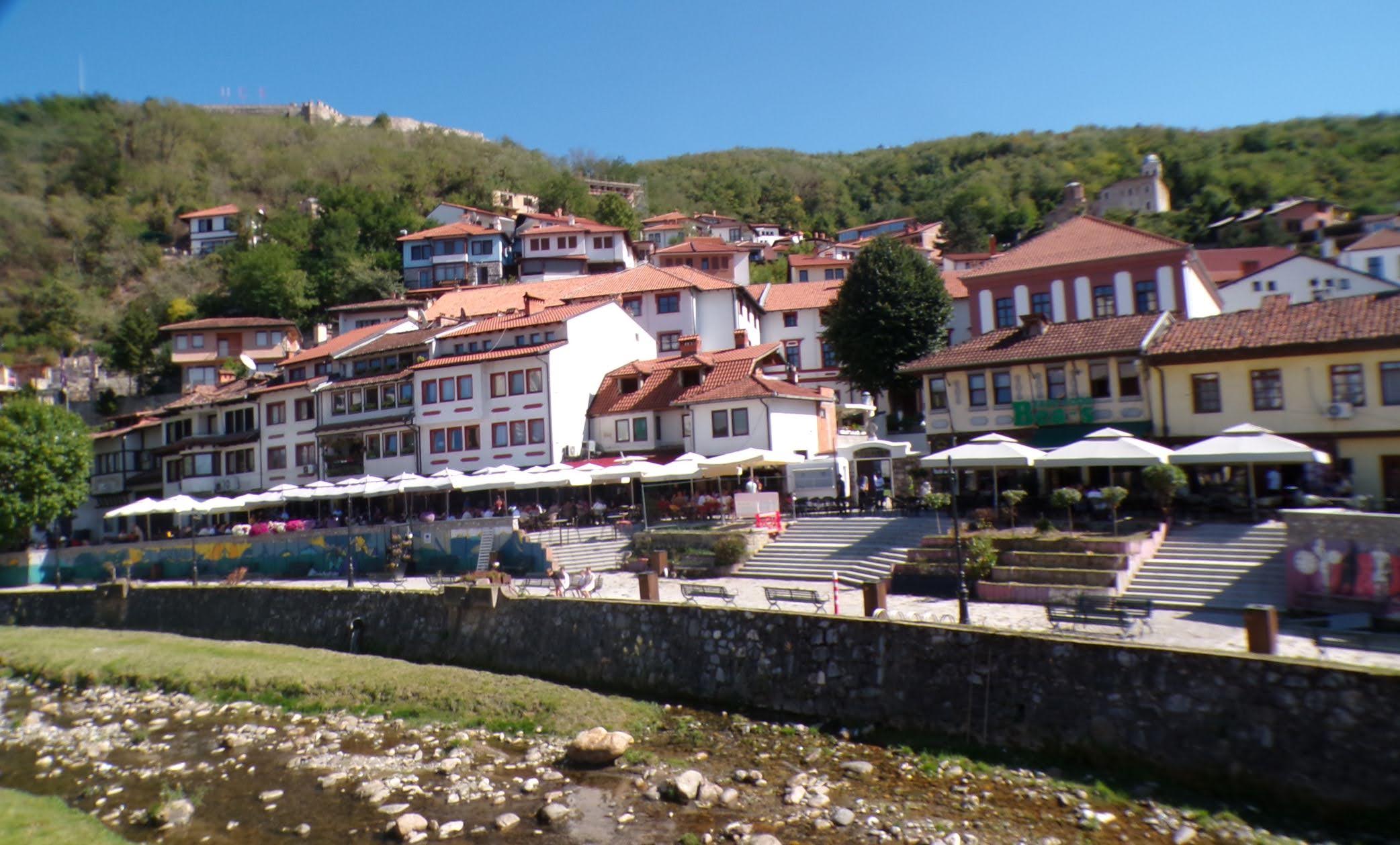
It’s just a shot away – Prizren
March 6, 2026 -
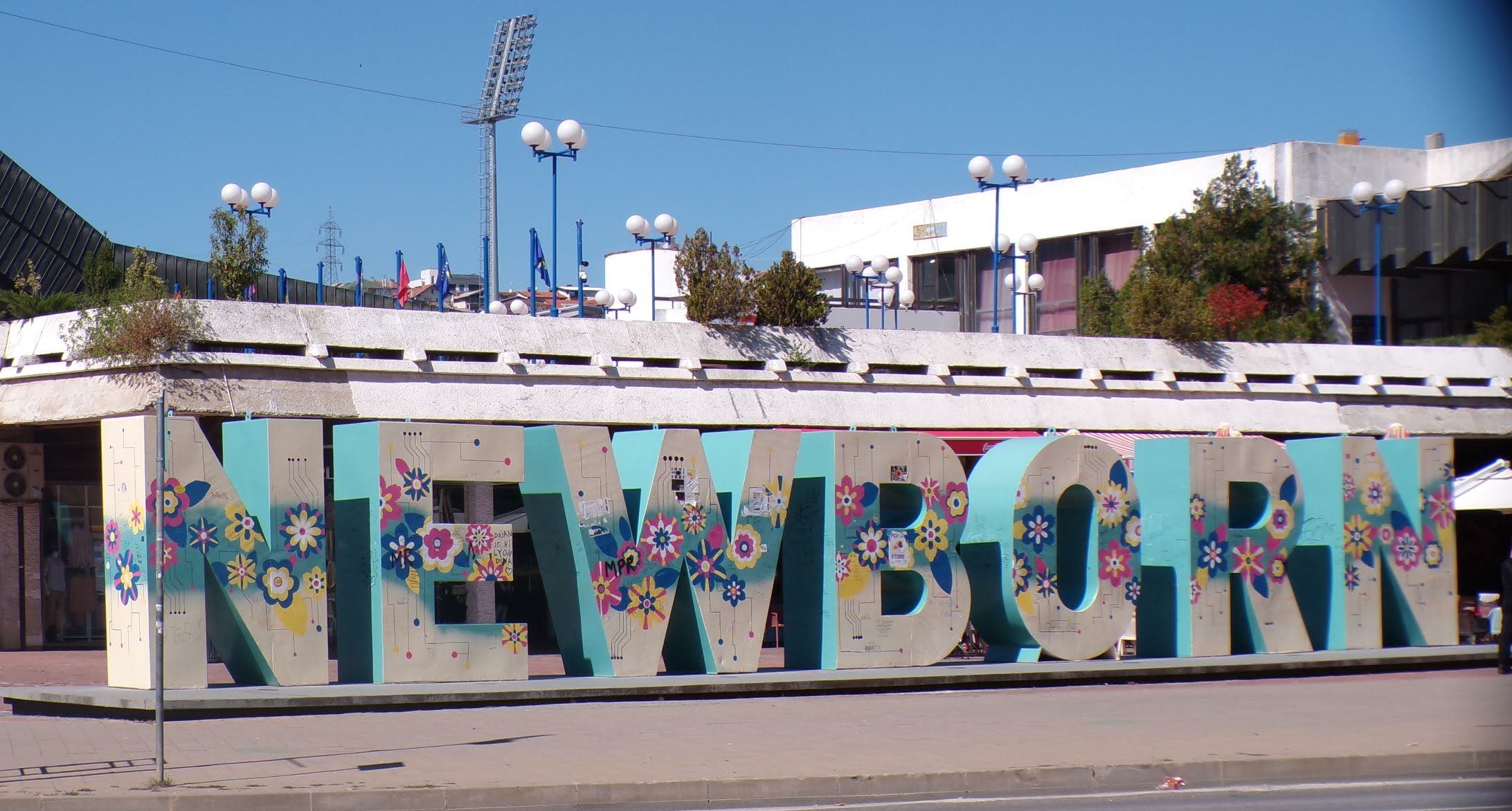
Some things looking better, baby – Getting into Kosovo
March 4, 2026 -
Here, where the sky is falling – Kukës
March 2, 2026 -
That’s when we fall in line ’cause we got Berat
February 27, 2026 -
Walking on the big stuff – a climb to Tragjas
February 25, 2026